
7 Basic Lighting Setups in Portrait Photography

This post outlines seven versatile lighting setups for portrait photography using a single light source. The positioning of the light significantly impacts the mood and texture of the photographs. The setups discussed include front lighting, side lighting, Rembrandt lighting, top lighting, under lighting, and back lighting, each creating unique visual effects.

Using one light, you can produce 7 different photographic effects

There are seven lighting setups used in portrait photography. Using one light, you can produce seven different effects.

Lighting has an effect on the emotion and mood of the photograph. Simply by changing the position of the light you can change how your subject will look.

Front lighting produces a photograph that is flat with little texture.

Side lighting will emphasize light, shadow and texture.

Side light with reflector will lighten the shadow.

Rembrandt lighting is classic for portrait photography.

Top lighting produces deep shadows under the eye, nose and chin.

Under lighting produces an odd mysterious look.

Back lighting will make a silhouette of the subject.
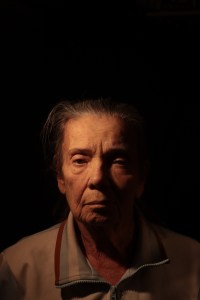
Rembrandt Lighting in Photography

Rembrandt lighting, also known as high side lighting, emphasize light and shadow to create a dramatic effect. It is a classic techniques used by portrait photographers. This post will show you how to get the perfect Rembrandt Lighting.

04. High Side Lighting

Rembrandt lighting also known as high side lighting is a lighting technique that emphasizes light and shadow. “Named after the legendary painter, Rembrandt, this method involves creating a distinct triangular highlight on the subjects face.”(Chatgtp 3.5) It is a classic technique used by portrait photographers to create a dramatic effect.

How to get perfect Rembrandt Lighting

Place the light at a 45 degree angle above and to the side of the subject. The trick is to place the light in the perfect position to get the triangle. The triangular light on the face should not be higher than the eye or lower than the nose.

Though it might be one of the hardest setups, the end results can be stunning!

So grab your light, your camera, your tripods, and your subject and give it a try