Photography is the art of drawing with light, where light plays a crucial role. Even with a perfect composition, poor lighting can ruin the whole image. Mastering your camera’s interaction with light is key to achieving the perfect photograph.
Photography Definition
Did you know that photography is an art form? It literally means drawing with light. Light plays a pivotal role in photography.
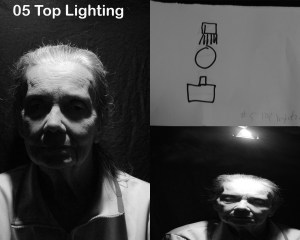
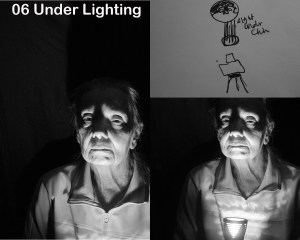
This post outlines seven versatile lighting setups for portrait photography using a single light source. The positioning of the light significantly impacts the mood and texture of the photographs. The setups discussed include front lighting, side lighting, Rembrandt lighting, top lighting, under lighting, and back lighting, each creating unique visual effects.
Using one light, you can produce 7 different photographic effects
There are seven lighting setups used in portrait photography. Using one light, you can produce seven different effects.
Lighting has an effect on the emotion and mood of the photograph. Simply by changing the position of the light you can change how your subject will look.
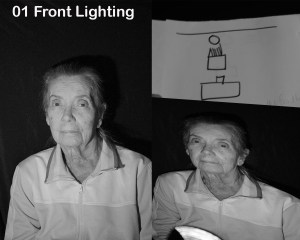
Front lighting produces a photograph that is flat with little texture.
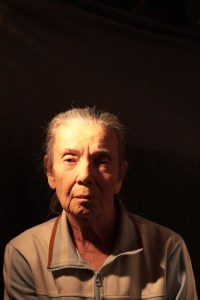
Side lighting will emphasize light, shadow and texture.
If you want a well lit, easily visible subject, with no shadows, use front lighting. This post shows you how to shoot with front lighting.
01. Lighting is important when taking headshots
When taking indoor headshots, proper lighting is important. If you want to create a well lit, easily visible subject, use front lighting. Front lighting reduces shadows and is one of the easiest photographs to take.
Front Lighting
How to shoot with front lighting
The technique for shooting with front lighting is easy. Using one light, simply place the light directly in front of the subject.
Front Lighting with diagram and light placement
If you have never done indoor lighting before, I suggest to give it a go!
Side lighting in photography creates captivating contrasts between light and shadow splitting the subject in half. This post shows you how to shoot using side lighting.
02. Side Lighting plays with shadows
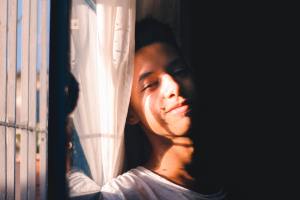
Side lighting in photography creates captivating contrasts between light and shadow. It literally can spilt the subject in half. If you want to play with shadow, you can create some interesting photographs!
Side Lighting
How to Shoot with Side Lighting
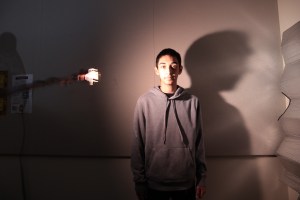
Place the light directly to the side of the subject.
Side Lighting with diagram and light placement
Not only can you use side lighting indoors with a artificial lighting set up, you can use also use natural lighting. For example, you can place your subject next to a window with the light shining in.
Photo by Raphael Brasileiro
Learn to how to look at light and observe how shadows fall on your subject. You might just capture the perfect photo!
Using a reflector with side lighting softens shadows. This post shows you how to use a reflector with side lighting. It also shows you what type of reflectors can be used.
03. Side Lighting with Reflector softens shadows
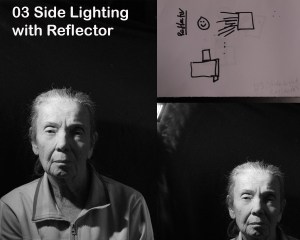
Using a reflector with side lighting, softens the harsh shadow on the dark side of the subject.
Side Lighting with Reflector
How to use a reflector in photography
If you want to soften the dark shadows, place the light on one side of the subject and a reflector on the other side. The reflector will lighten the darkness. The light will be very bright on one side of face and cast soft shadow on the other.
Side lighting with reflector/diagram and light placement
Side lighting with reflector
You can use any thing that will reflect light. Foil, a car sun screen, or a professional reflector. They all produce the same effect.
Rembrandt lighting, also known as high side lighting, emphasize light and shadow to create a dramatic effect. It is a classic techniques used by portrait photographers. This post will show you how to get the perfect Rembrandt Lighting.
04. High Side Lighting
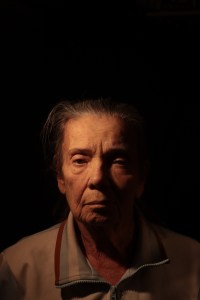
Rembrandt lighting also known as high side lighting is a lighting technique that emphasizes light and shadow. “Named after the legendary painter, Rembrandt, this method involves creating a distinct triangular highlight on the subjects face.”(Chatgtp 3.5) It is a classic technique used by portrait photographers to create a dramatic effect.
Rembrandt Lighting
How to get perfect Rembrandt Lighting
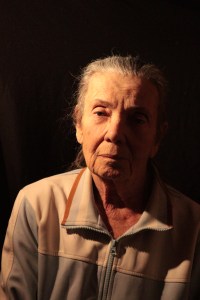
Place the light at a 45 degree angle above and to the side of the subject. The trick is to place the light in the perfect position to get the triangle. The triangular light on the face should not be higher than the eye or lower than the nose.
Rembrandt lighting with diagram and lighting setup
Though it might be one of the hardest setups, the end results can be stunning!
So grab your light, your camera, your tripods, and your subject and give it a try








 A Joyful Photographer/Tutor